

Skin education
What happens with aging skin
Aging is an inevitable but natural process that affects our entire body. Skin aging is a gradual and continuous process that can actually begin as early as our late twenties.
The rate and extent of these skin aging effects depend on several factors, including genetics, sun and environmental protection. However, our lifestyle, such as smoking, snacking and exposure to blue light from screens also have an influence. Extrinsic photoaging is due to external causes such as sun damage from UV radiation and smoking, and mainly causes collagen damage in the dermis. Intrinsic photoaging is the result of natural aging and genetic predisposition.

Changing skin
Collagen and elastin give the skin its firmness and elasticity. However, from the time we reach the age of late twenties, early thirties, collagen and elastin production already begins to decline. This can result in the first subtle signs of skin aging. Think fine lines and the beginning of expression lines, wrinkles caused by repeated facial movements such as smiling or frowning. In our mid-thirties to early forties, skin can become drier due to further declines in collagen and elastin. The skin may become thinner and therefore less able to retain moisture.
Pigment spots may become more visible and the skin loses some of its youthful glow. In our late forties, and especially at menopause, the aging process accelerates in many people. Almost 30% of type I collagen is lost in the first five years of menopause. After that, this collagen loss continues at a rate of 2% per year. Wrinkles and fine lines suddenly become more pronounced and the skin begins to sag. Pigment spots and age spots are no longer discrete but can become more noticeable. Also, the skin's ability to repair itself and maintain hydration will continue to diminish.
What can you do
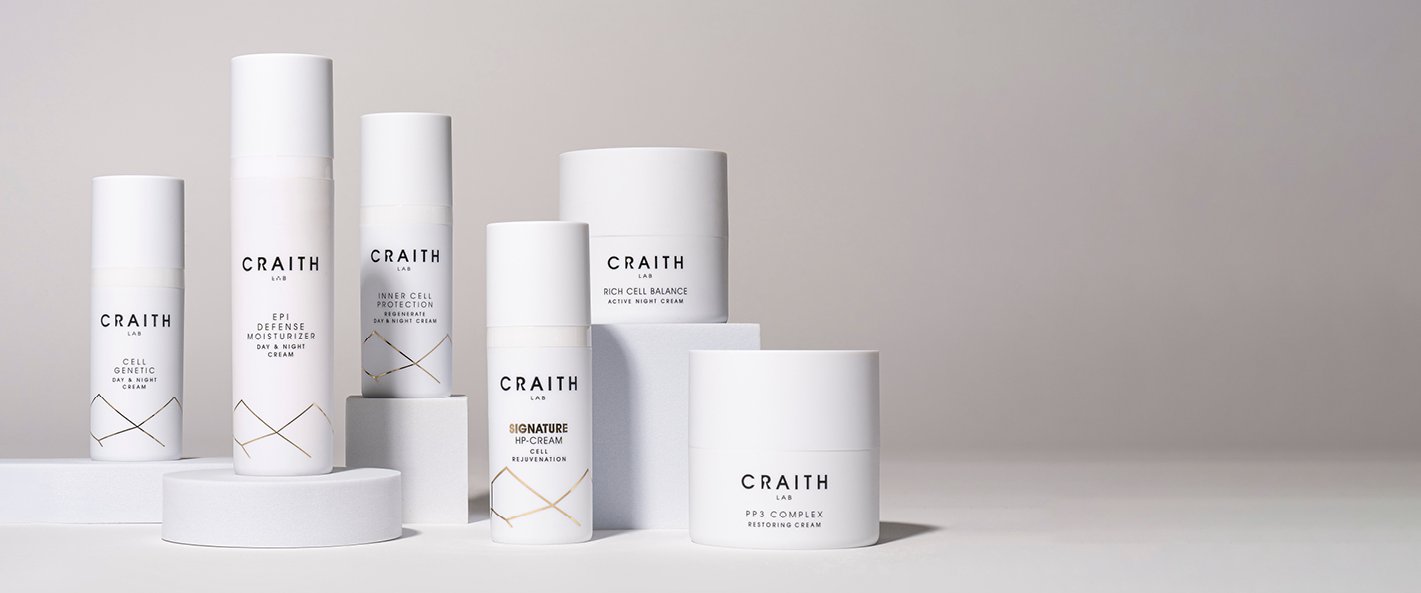
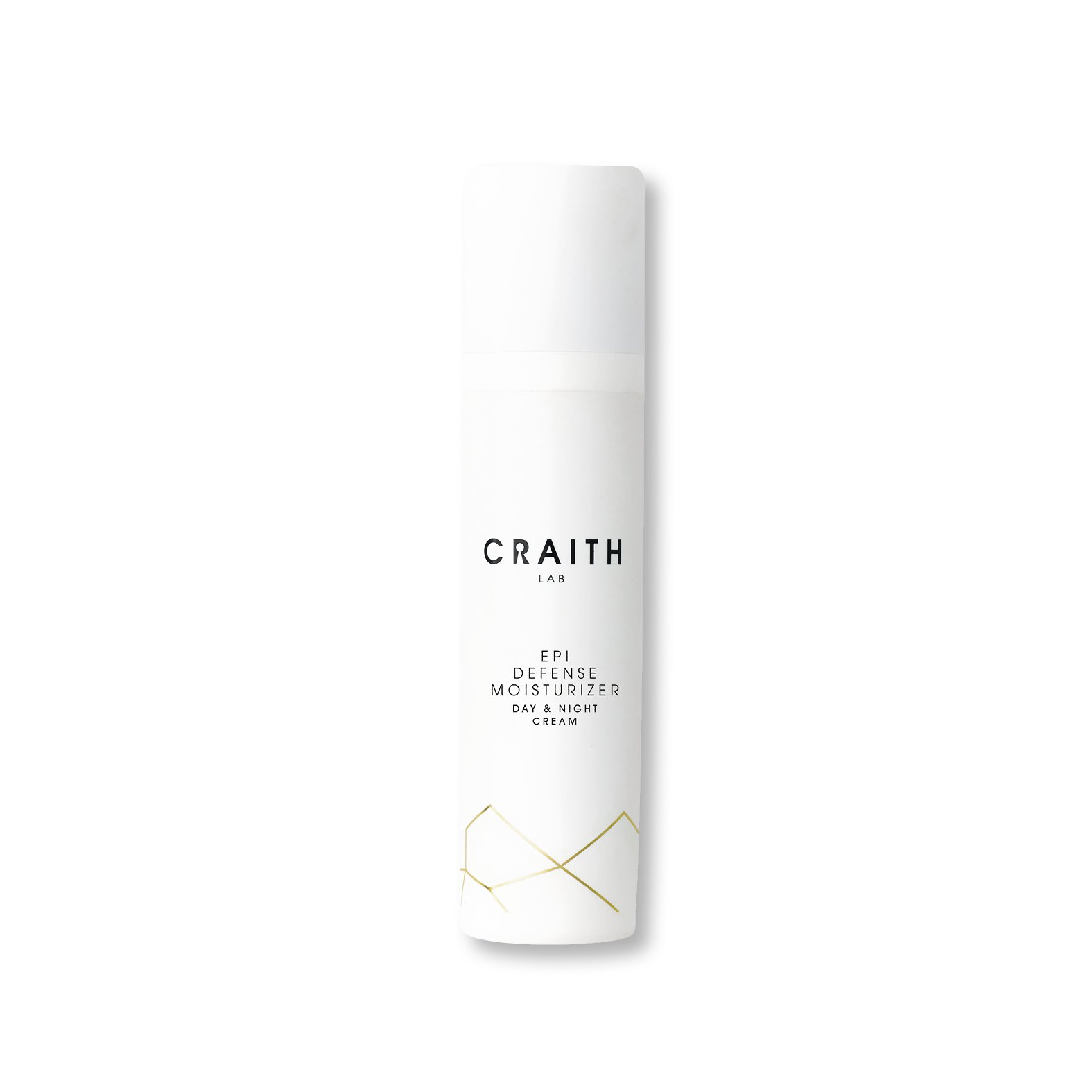
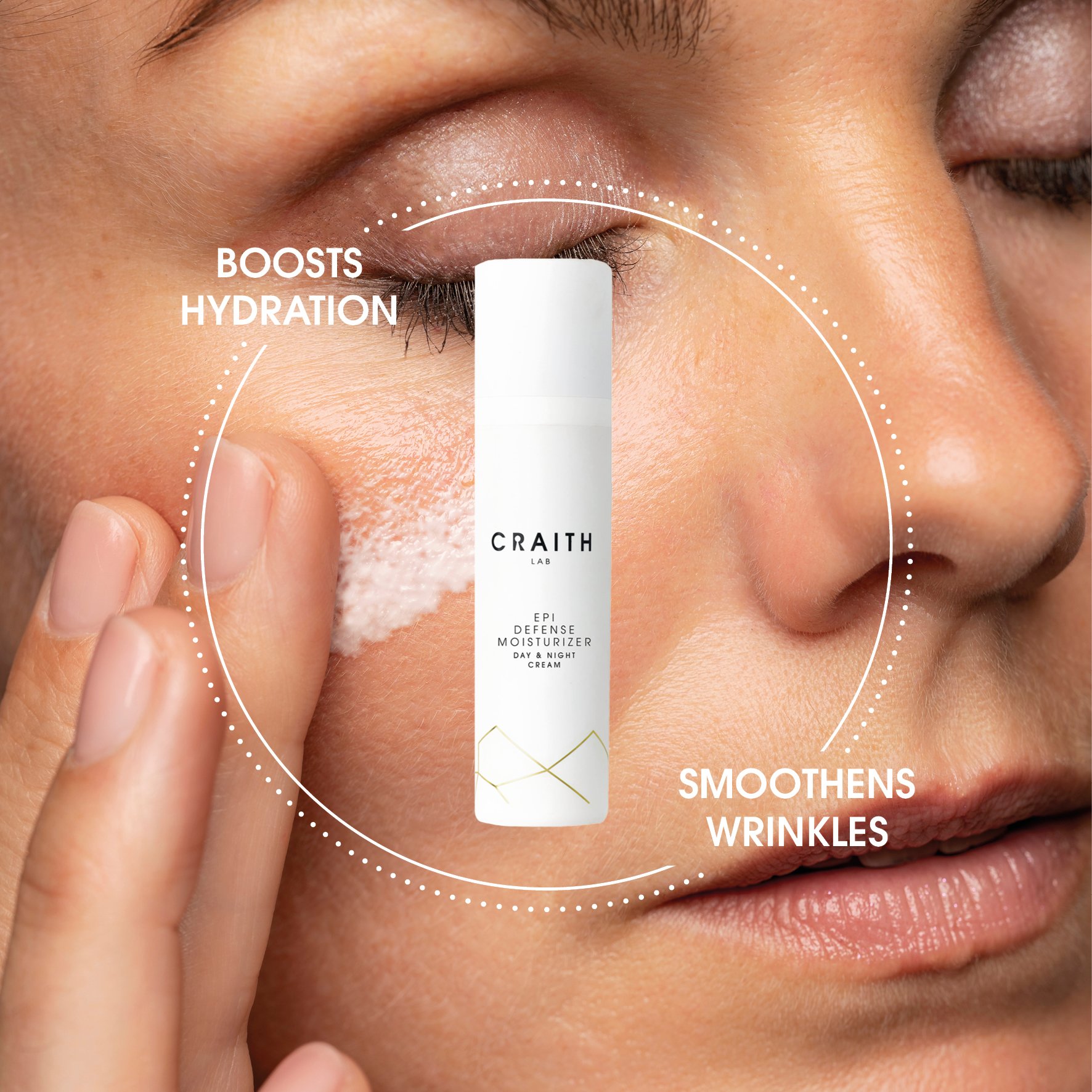
Because our skin also becomes drier, because sebaceous glands are less active and because of the reduction in oil production, the skin can flake more quickly and feel tight and rough. The reduction in the number of skin cells and blood vessels also makes the skin thinner and more fragile. All these changes mean that your skin needs different and better care. Sufficient hydration through the use of moisturizers, such as the Epi Defense Moisturizer, are essential to keep the skin supple. Drinking water also indirectly helps the skin because it helps eliminate waste products.
Gold Collection
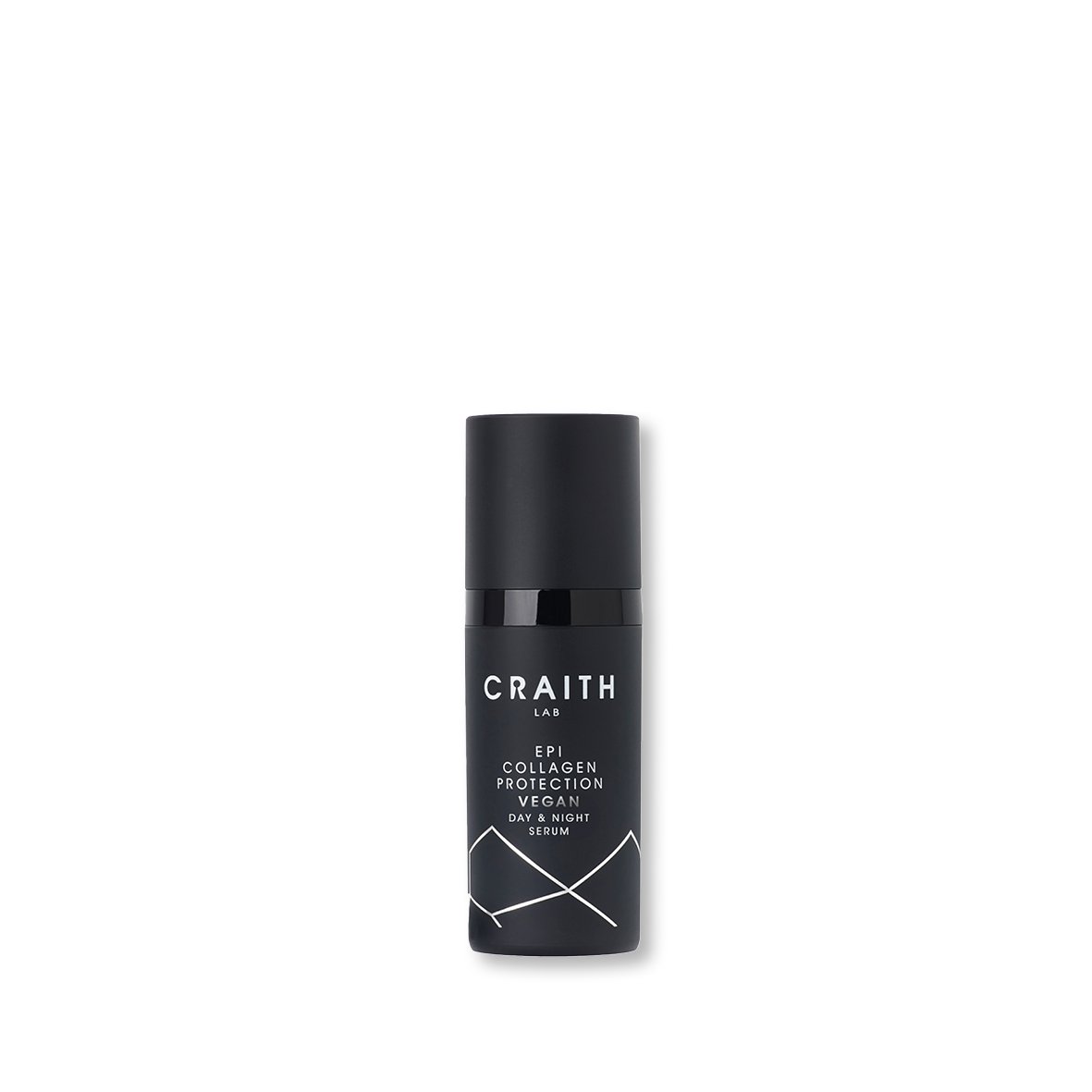
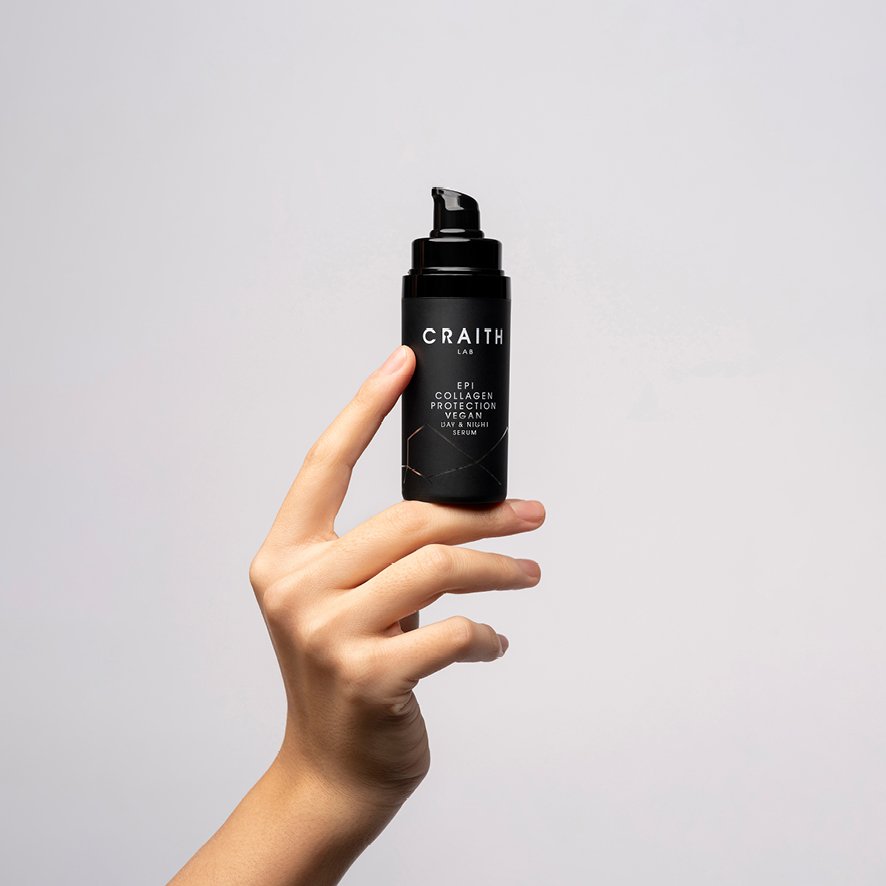
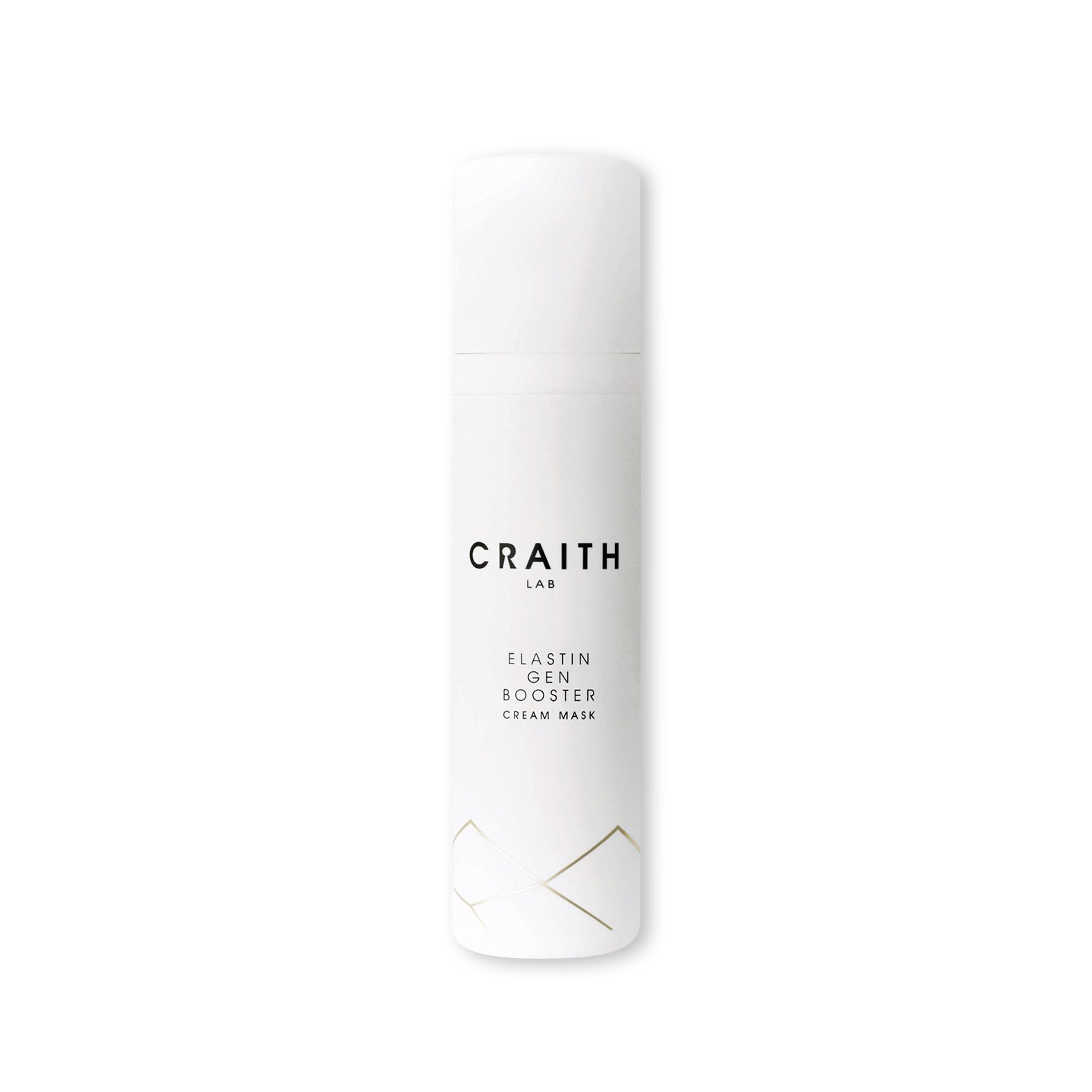
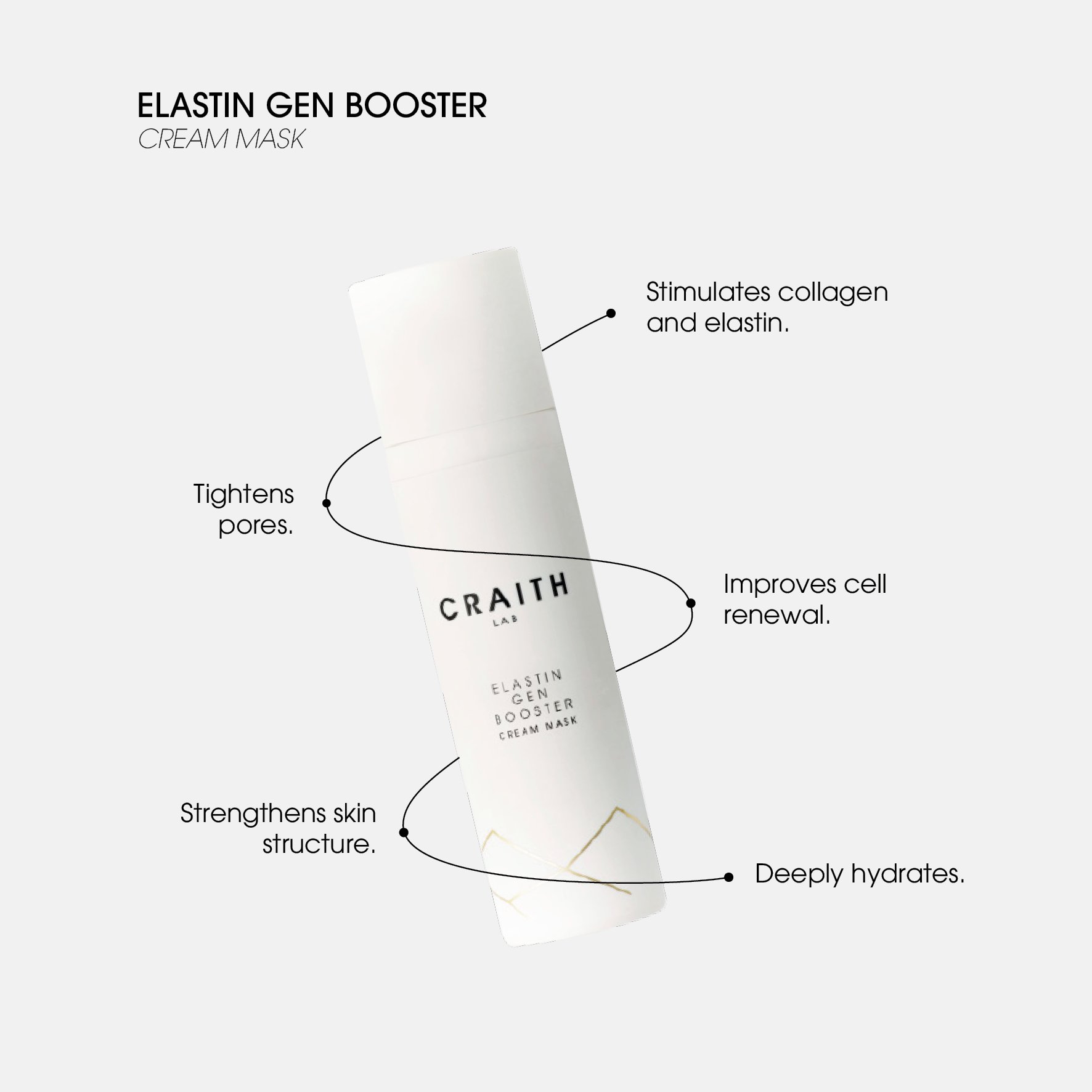
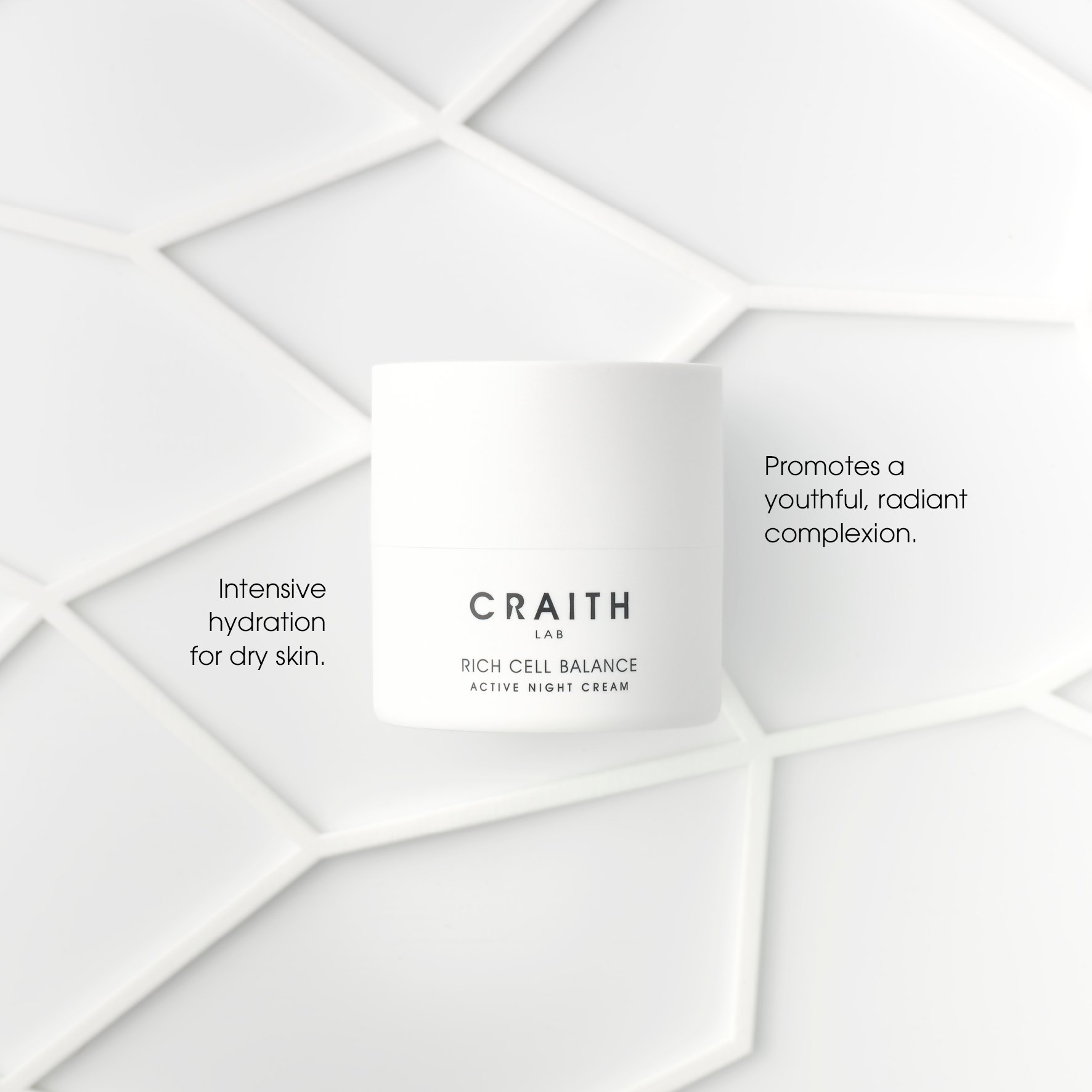
Craith Lab's Gold Collection is specifically designed to address these changes by providing softer skin care and better protection from aggressive environmental factors. Crucially, then, to protect and strengthen aging and thinner skin.
Tags: